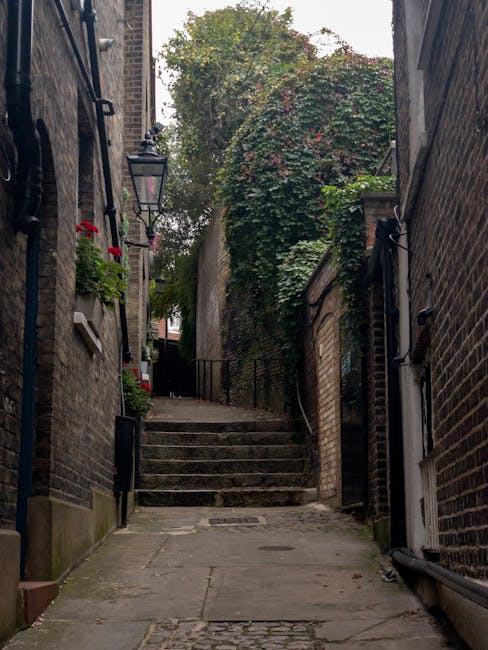
Gardeners access for narrow terraces near Greenwich Market
Narrow terraces near Greenwich Market can be charming, but they are rarely easy to work on. If you have ever tried to carry compost through a tight hallway, squeeze a mower past bikes and planters, or turn up with a wheelbarrow on a busy street, you already know the issue. Access shapes everything. It affects what can be done, how long it takes, how tidy the finish will be, and whether the work feels smooth or a bit of a faff.
This guide explains Gardeners access for narrow terraces near Greenwich Market in plain English. You will see how access is usually assessed, what good gardeners do differently in compact London homes, where the risks are, and how to prepare so the day runs well. It is written for anyone dealing with a slender terrace, a basement-to-yard layout, shared passageway, awkward side return, or a garden that seems to have been designed by someone who never carried a tool in their life.
By the end, you will know what sensible access planning looks like, which services are often most practical, and how to avoid the common mistakes that slow jobs down or damage surfaces. If you want a broader look at available help, the services overview is a useful place to start.
Table of Contents
- Why Gardeners access for narrow terraces near Greenwich Market Matters
- How Gardeners access for narrow terraces near Greenwich Market Works
- Key Benefits and Practical Advantages
- Who This Is For and When It Makes Sense
- Step-by-Step Guidance
- Expert Tips for Better Results
- Common Mistakes to Avoid
- Tools, Resources and Recommendations
- Law, Compliance, Standards, or Best Practice
- Options, Methods, or Comparison Table
- Case Study or Real-World Example
- Practical Checklist
- Conclusion
- Frequently Asked Questions
Why Gardeners access for narrow terraces near Greenwich Market Matters
Access is not a side issue; it is the job. On a narrow terrace, every movement matters. A gardener may be technically brilliant, but if they cannot get materials in cleanly or move waste out without dragging it through the house, the whole project becomes slower and more stressful. That is especially true near Greenwich Market, where homes often sit on compact plots, pavements can be busy, and parking is not something you casually take for granted.
Good access planning protects your property too. Hallway walls, painted skirting, stone steps, timber decking, and old paving can all be marked by bulky bags or sharp tools. Even simple jobs like hedge trimming or lawn mowing can become awkward if the route from front door to garden is tight, twisty, or shared. A little planning avoids a lot of apologising. Truth be told, nobody wants a gardener balancing a trimmer, a bag of cuttings, and a flat white of rainwater down a narrow corridor at 8:30 on a Tuesday.
There is also a quality angle. When access is poor, crews may rush, scale back what they can bring, or spend more time shifting items around than actually gardening. That tends to show in the finish. With decent access preparation, jobs stay tidier, safer, and more efficient. It sounds obvious, but the obvious things are the ones people overlook most often.
For many homes, access planning also links closely to practical service choice. A one-off garden clearance may need a different setup from regular garden maintenance, and a terrace with overgrown shrubs may require a blend of hedge trimming, light pruning, and waste removal rather than a single generic visit.
Expert summary: on narrow terraces, the best gardening outcomes usually come from matching the work to the access, not forcing access to fit the work. That simple shift saves time, reduces risk, and leads to cleaner results.
How Gardeners access for narrow terraces near Greenwich Market Works
In practice, access planning starts before the team arrives. A good gardener will want to understand how they will reach the outdoor space, where tools can be stored, whether there is a side entrance, and how waste will leave the property. On narrow terraces, those details can matter as much as the actual planting, trimming, or clearance work.
Common access routes include the front door, a shared passage, a rear alley, or an internal route through the property. Sometimes the most efficient route is not the shortest one. A slightly longer path with fewer bends may be safer than trying to thread sharp tools through a cramped doorway. You know the sort of space: a narrow hall, a coat rack that sticks out just enough to be annoying, and a turn at the end that feels a bit like manoeuvring a sofa.
For small gardens, crews usually aim to reduce the amount of heavy lifting. That might mean:
- using smaller tools instead of large, commercial equipment
- bringing waste out in manageable loads
- protecting floors and thresholds before work begins
- choosing lighter materials for planting or landscaping tasks
- splitting work into stages when full access is limited
Some jobs are straightforward. A light mow or tidy-up may only need a couple of hand tools and a small waste sack. Others need more planning, especially if the task includes clearance, landscaping, or the movement of soil, timber, or broken materials. In those cases, a local team may discuss access together with the scope of work and suggest the most sensible order. If the job involves larger changes, it can help to review the company's landscaping and landscape gardening services so expectations are clear from the outset.
Most of the time, good access is not about luxury. It is about not wasting time, not damaging anything, and not making the day harder than it needs to be.
Key Benefits and Practical Advantages
When access is properly thought through, the benefits show up quickly. Not in a dramatic way. More in the quiet, reassuring way that makes you realise the job is under control.
- Faster work: less time spent carrying, turning, or rearranging equipment means more time spent on the actual garden.
- Cleaner finish: tighter routes and fewer interruptions usually mean tidier edges, less mess, and better care around surfaces.
- Lower risk of damage: protected walkways and sensible load planning help avoid scuffed walls, chipped paint, or broken pots.
- Better safety: smaller, clearer movement paths reduce trip hazards and awkward lifting.
- More realistic quoting: when access is discussed properly, estimates are more likely to reflect the true job.
There is a quieter advantage too: peace of mind. If you live in a terrace near Greenwich Market, you may already juggle deliveries, neighbours, storage, and limited outdoor space. Gardening should not add extra stress. When the access is understood, the whole process feels calmer, and that matters more than people admit.
Another benefit is flexibility. Once a gardener knows the limits of your terrace, they can recommend better-suited tasks. For example, a compact garden might work well with routine lawn mowing and maintenance, while a more cluttered yard may need garden clearance first. That sequence can make the difference between a short, efficient visit and a messy day of improvising.
Who This Is For and When It Makes Sense
This kind of access planning is especially useful if your property has any of the following:
- a narrow side return or courtyard
- a terrace with limited front-garden access
- steps, tight corridors, or awkward internal turns
- shared access with neighbours or building occupants
- old paving, delicate brickwork, or recently decorated interior areas
- limited storage for tools, compost, or cuttings
It also makes sense if you are planning work that creates a lot of waste or requires more than one visit. A first-time clearance, a hedge cutback, tree work, deck installation, or a larger redesign can quickly outgrow a simple "turn up and get on with it" approach. For example, tree-related work may need especially careful planning and a clear route for cuttings and equipment, so it is sensible to look at tree lopping and removal if branches or height are part of the issue.
Some people also need access advice because they want to protect vulnerable surfaces. Freshly painted hallways, narrow staircases, or polished floors can all be at risk when wet boots and muddy bags are involved. If you have ever watched a trolley squeak along an old floorboard and thought, "hmm, that's not ideal", you are already thinking like a good client.
To be fair, even routine jobs can benefit from access planning. A small terrace is still a small terrace, and small spaces leave very little margin for error.
Step-by-Step Guidance
Here is a practical way to approach gardener access for a narrow terrace near Greenwich Market.
- Map the route. Walk from the road or entrance to the garden and note every doorway, step, gate, bend, and pinch point.
- Measure the narrow bits. Width matters, but so does head height, turning space, and the size of any threshold lip or step.
- Check what needs moving. Bikes, bins, furniture, plant pots, folding tables, and storage boxes can all block access in surprising ways.
- Decide what the garden actually needs. Is it a tidy, a cut-back, a clearance, or a more involved redesign?
- Share the access details early. Let the gardener know about shared hallways, resident-only entry, parking limits, or fragile surfaces.
- Protect the route. Use dust sheets, door protection, or floor covering where appropriate.
- Stage the work. If access is tight, break the job into smaller tasks rather than trying to do everything at once.
- Review waste handling. Decide where cuttings will be stored temporarily and how they will be removed safely.
A simple example: if the garden sits behind a mid-terrace house with a narrow hallway, the team may choose hand tools for most of the day and keep bulky items outside until the route is clear. That might sound basic, but basic is often what works best. Fancy does not always win in London terraces.
If the plan also includes decking or a small structural change, access should be discussed alongside materials and delivery routes. In those cases, the decking services page can help you think through how new materials might enter and leave the property without causing unnecessary disruption.
Expert Tips for Better Results
Here are the small details that tend to make a big difference.
- Clear the first meter near the entrance. It sounds tiny, but that first bit of space often decides whether everything else runs smoothly.
- Choose the easiest waste route, not the fanciest one. Straight and safe beats clever every time.
- Keep pets and children out of the access path. It reduces stress for everyone and avoids awkward stops.
- Tell the gardener about narrow gates, loose paving, or low brickwork. A few words upfront can save a lot of fiddling later.
- Ask for a phased plan if the garden is heavily overgrown. That is often smarter than trying to clear everything in one go.
- Think about the aftermath. Once the work is done, how will furniture, bins, and plants be put back without blocking the route again?
One practical observation from real terrace work: the cleaner the setup at the start, the calmer the finish at the end. A tidy entry point usually leads to a tidier garden. Funny how that works.
If you want regular upkeep rather than one-off rescue work, it is worth considering garden maintenance as a planned routine. That often means less waste, less overgrowth, and fewer surprises on the day.
Common Mistakes to Avoid
Most access problems are avoidable. The trouble is, they look small until the job starts.
- Assuming "it will be fine". It might be. But narrow terraces reward detail, not guesswork.
- Waiting until the day to mention access issues. By then, the schedule may already be set.
- Leaving clutter in the route. A garden path that works for a person may not work for a person carrying shears and bags of waste.
- Forgetting about internal protection. Mud, leaves, and soil do not politely stay in one place.
- Choosing the wrong service for the level of overgrowth. Sometimes a clearance is needed before maintenance can do its job properly.
- Ignoring neighbour access or shared spaces. That can create delays and a lot of avoidable awkwardness.
There is also a planning mistake people make with design work: they decide on a nice-looking feature without checking whether it can actually be delivered down the route. Materials for landscaping can be compact, but not everything is. The practical side matters. Always.
If you are unsure what can reasonably be done in a compact terrace setting, start with a conversation about scope rather than a promise. The right answer is often, "yes, but let's do it this way". That is usually the healthy sign of an experienced team.
Tools, Resources and Recommendations
For narrow terrace access, the most useful tools are often the least dramatic ones. Smaller, lighter, and easier to manoeuvre usually wins.
| Tool or approach | Why it helps in narrow access | Typical use |
|---|---|---|
| Hand tools | Easy to carry through tight hallways and less likely to snag | Tidying, pruning, edging, small planting tasks |
| Small bags or containers | Reduce load weight and make waste movement safer | Cuttings, soil, leaves, cleared debris |
| Floor and threshold protection | Helps prevent scuffs, water marks, and impact damage | Internal routes and entry points |
| Phased work plan | Keeps the route workable throughout the job | Clearance, maintenance, landscaping, planting |
| Clear waste staging area | Prevents clutter from spreading through the property | All jobs with cuttings or removed materials |
In terms of services, the right recommendation depends on the starting point. If the garden is manageable but untidy, mowing and maintenance may be enough. If it has been neglected for a while, garden clearance may need to come first. If hedges are pressing into walkways or overhanging a tight access route, hedge trimming is often the safest improvement.
For people who care about where waste ends up, it is sensible to ask how green waste and reusable materials will be handled. A reputable team should be able to explain their approach to disposal and recycling in straightforward terms. If sustainability matters to you, the recycling and sustainability page is worth a look.
Law, Compliance, Standards, or Best Practice
There is not one single rulebook for garden access on narrow terraces, but there are sensible UK best practices that experienced crews tend to follow. Safety, property care, and neighbour consideration all matter. If tools are being carried through shared areas or a job involves heavier lifting, the team should take manual handling seriously and avoid ad hoc manoeuvres that put people or surfaces at risk.
In practical terms, this usually means:
- planning routes before moving equipment
- keeping walkways clear where possible
- protecting floors and doors that are likely to be affected
- handling waste in safe, manageable loads
- using appropriate insurance and working practices for the job
It is also sensible to think about permissions and courtesy. In terraces and shared buildings, access may rely on co-operation from neighbours or managing agents. That is less about formal law and more about good practice, but it can make the difference between a smooth day and a frustrating one. A simple heads-up the day before can save a lot of stress. Honestly, small kindnesses keep London jobs moving.
If you want to understand how a company approaches risk, it helps to review pages such as insurance and safety and the health and safety policy. Those pages are useful because they show how seriously the business takes safe working, even when the garden itself looks tiny and harmless. Small spaces are not automatically low risk.
For readers who care about trust and process, you may also want to see the about us page and the terms and conditions page. They help set expectations clearly, which is half the battle before any work starts.
Options, Methods, or Comparison Table
Not every terrace needs the same approach. Here is a simple comparison to help you judge the best fit.
| Method | Best for | Pros | Watch-outs |
|---|---|---|---|
| One-off tidy-up | Light mess, seasonal growth, quick refresh | Fast, low disruption, easy to schedule | May not solve deeper access or overgrowth issues |
| Garden maintenance plan | Properties needing regular care | Predictable, tidy, usually easier on narrow access | Requires consistency and good scheduling |
| Clearance first, maintenance later | Overgrown or cluttered terraces | Resets the space and makes future visits easier | Takes more time initially |
| Phased landscaping | Design updates in a tight space | Flexible, realistic, easier to manage through narrow routes | Can stretch across multiple visits |
The best method is usually the one that respects the access rather than fighting it. For a compact Greenwich terrace, that often means a phased plan. First remove what blocks the route, then do the shaping, then finish with the detail work. Simple. Not always quick, but simple.
Case Study or Real-World Example
Picture a mid-terrace property a short walk from Greenwich Market. The rear garden is small, the hallway is narrow, and the only practical route is through the house. The owner wants a neat, usable outdoor space before the weekend. There is some overgrown shrubbery, a tired patch of lawn, and a few old planters that have become accidental furniture.
Instead of arriving with oversized kit and trying to force everything through the same route, the work is split into stages. First, the team checks the access path and covers the hallway where needed. Then they remove loose clutter and bag waste in smaller loads. After that, they tackle the hedge and the worst overgrowth, which opens up the garden visually and physically. Only once the route is clear do they finish the lawn and tidy the edges.
The result is not just a better-looking garden. The entryway stays clean, the work feels calm, and the owner is not left nervously watching every trip through the house. That matters. A garden job can be technically simple and still feel stressful if access is ignored. With the right approach, it feels controlled and respectful.
This kind of job is a good example of why local knowledge helps. Narrow terraces, old layouts, and limited space require judgement. Not drama. Judgement.
Practical Checklist
Use this checklist before booking gardeners access for a narrow terrace near Greenwich Market:
- Walk the route from street to garden and note every tight point
- Measure gates, hallways, and turning spaces if possible
- Clear bikes, bins, shoes, pots, and furniture from the access route
- Tell the gardener about shared access, parking limits, and any delicate surfaces
- Decide whether the job needs maintenance, clearance, or landscaping
- Ask how waste will be bagged, moved, and removed
- Protect floors, thresholds, and walls before work begins
- Keep pets and children away from the access route during the visit
- Confirm whether the job should be phased across more than one visit
- Check relevant company pages on safety, insurance, and service scope if needed
If you want to compare service details before going further, the pricing and quotes page can help frame the conversation around scope and expectations. A clear quote is especially useful in tight-access settings, where every extra step can affect time and effort.
And if you are still unsure whether your terrace is "too small" for proper work, it probably is not. It just needs the right plan.
Get a free quote today and see how much you can save.
Conclusion
Gardeners access for narrow terraces near Greenwich Market is really about making small spaces workable without turning the day into a juggling act. The best results come from honest planning, careful routing, and service choices that fit the property rather than fight it. Whether you need a one-off tidy, regular maintenance, hedge trimming, clearance, or a more ambitious landscaping project, access should be part of the conversation from the start.
When access is thought through properly, you get less mess, less stress, and a better finish. That is the simple version. The slightly longer version is this: a good gardener sees the route as part of the garden, not just a path to it. And once that clicks, everything tends to go more smoothly.
For anyone living in a compact terrace near Greenwich Market, that bit of planning can make all the difference. Sometimes the most useful improvement is not the biggest one. It is the one that lets the work happen properly in the first place.
Frequently Asked Questions
What does garden access mean on a narrow terrace?
It means the route a gardener uses to reach the outdoor space, bring in tools, and remove waste. On narrow terraces, that route may be through the house, a tight side passage, or a shared entry.
Why is access such a big issue near Greenwich Market?
Many homes in and around the area have compact layouts, limited storage, and restricted parking or entry space. That makes planning more important than it would be on a larger suburban plot.
Can a gardener work if the only route is through my house?
Usually yes, as long as the route is practical and protected. Good floor covering, clear movement paths, and careful handling of tools and waste are the key points.
Do I need to clear the hallway before the gardener arrives?
Yes, if possible. Removing shoes, bikes, bags, and loose furniture from the route makes the job safer and quicker. It also reduces the chance of damage.
What services are most common for narrow terraces?
Garden maintenance, lawn mowing, hedge trimming, garden clearance, and smaller landscaping updates are the most common. The right choice depends on how much space you have and how overgrown the garden is.
Is narrow access more expensive?
It can be, depending on how much extra time, care, or manual handling is needed. That said, a well-planned narrow-access job may still be efficient and cost-effective.
How should waste be handled from a small terrace garden?
Usually in smaller, manageable loads. Waste is often bagged or staged carefully so it can be moved through the property without making a mess or blocking the route.
Should I choose clearance or maintenance first?
If the garden is heavily overgrown or cluttered, clearance first is often the sensible choice. Once the space is reset, regular maintenance is easier and usually less disruptive.
What should I tell the gardener before the visit?
Tell them about tight doors, narrow hallways, shared access, delicate floors, parking difficulties, and anything bulky already in the garden. The more they know, the better they can plan.
Can landscaping work in a tiny terrace garden?
Yes, but it usually needs a more measured approach. Materials, delivery, staging, and installation all have to fit the access route, so phased work is often the better option.
How do I know if my terrace needs professional help?
If access feels awkward, waste is hard to move, overgrowth is blocking the route, or you are worried about damaging the house, professional help is usually worth it. A fresh pair of hands and a proper plan can save a lot of hassle.
Where can I learn more about the company and its working standards?
You can review the about us, insurance and safety, and health and safety policy pages for a clearer picture of how work is approached.
What if I am not sure which service I need?
Start with the main service overview and then narrow it down from there. A short conversation about the access route and the garden's condition usually makes the right option much clearer.