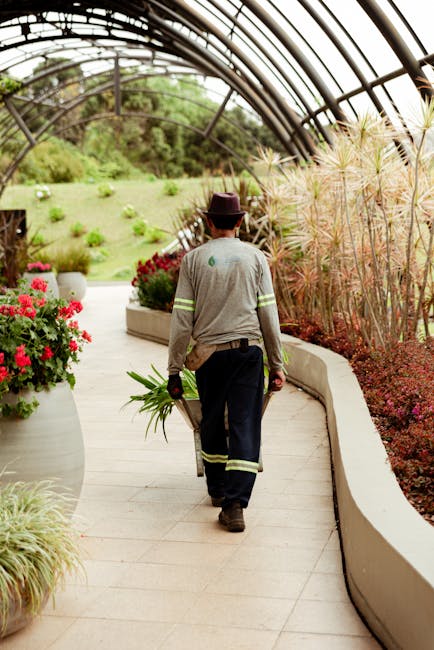
Cutty Sark garden maintenance tips from local gardeners
If you live near Cutty Sark, you already know the garden can be a bit unforgiving. Sea air, changeable weather, shade from buildings, compacted soil, busy pavements, and the general stop-start pace of city life all leave their mark. That is exactly why Cutty Sark garden maintenance tips from local gardeners matter: they are not abstract gardening advice, but the kind of practical, local know-how that helps you keep a tidy, healthy outdoor space without wasting effort.
Whether you are looking after a small courtyard, a narrow front garden, or a family garden that sees a lot of foot traffic, the right approach makes a big difference. In this guide, we will walk through what local gardeners usually focus on, how garden maintenance works in this part of Greenwich, where people go wrong, and when it makes sense to bring in professional help. No fluff. Just useful, grounded advice you can actually use.
Table of Contents
- Why Cutty Sark garden maintenance tips from local gardeners matters
- How Cutty Sark garden maintenance tips from local gardeners works
- Key benefits and practical advantages
- Who this is for and when it makes sense
- Step-by-step guidance
- Expert tips for better results
- Common mistakes to avoid
- Tools, resources and recommendations
- Law, compliance, standards, or best practice
- Options, methods, or comparison table
- Case study or real-world example
- Practical checklist
- Conclusion
- Frequently asked questions
Why Cutty Sark garden maintenance tips from local gardeners Matters
Gardens around Cutty Sark are often shaped by local conditions rather than ideal ones. That is the first thing local gardeners notice. A patch that looks fine in spring can become overgrown, patchy, or waterlogged by late autumn if it is not maintained with the area in mind. Add in wind exposure, nearby walls, limited light, and the reality that many homes do not have huge storage space for tools, and the maintenance challenge becomes very real.
Good garden maintenance is not just about appearance. It helps plants stay healthier, reduces the risk of pests and disease, and keeps outdoor areas safe and usable. A path covered in moss is one thing; a hedge pressing into a walkway or a lawn that has become spongy and uneven is another. Local gardeners tend to think in terms of prevention, not rescue. That is the big difference.
There is also a practical side. A well-kept garden is easier to manage week to week. Once things get away from you, jobs become slower, heavier, and more expensive to put right. Let's face it, most people do not want to spend half a Saturday fighting brambles with blunt shears. Better to stay ahead of it.
Expert summary: The best Cutty Sark garden maintenance advice is simple: work with local conditions, keep on top of small jobs, and never wait for a tidy garden to become a restoration project.
How Cutty Sark garden maintenance tips from local gardeners works
Local garden maintenance is usually built around regular, smaller interventions rather than one-off dramatic fixes. That might mean mowing, edging, trimming, clearing debris, feeding plants at the right time, checking drainage, and watching for signs of stress before they become visible to everyone else.
In a neighbourhood like Cutty Sark, where many gardens are compact and exposed to urban pressures, the process often starts with observation. What gets sun in the morning? Which corner stays damp? Are the shrubs blocking light from a lower border? Is there enough airflow, or is the garden becoming dense and stagnant? These details matter more than people think.
From there, the work usually falls into a rhythm:
- inspect the garden after weather changes
- remove dead leaves, broken stems, and loose debris
- cut grass and edges before they become unruly
- trim hedges and shrubs at the right time for the plant type
- check for poor drainage, compacted soil, or damaged planters
- refresh mulch, feed where needed, and water sensibly
If you need ongoing support, a service such as garden maintenance can cover the repeated tasks that keep everything moving in the right direction. For larger clear-outs, garden clearance may be the better starting point, especially when a space has been neglected for a while.
Key Benefits and Practical Advantages
There is a reason experienced gardeners speak so plainly about maintenance. You can usually see the results, and you can usually feel them too. A garden that is maintained well simply behaves better. It drains better, looks calmer, and takes less effort to keep under control.
- Healthier planting: Regular care means plants are less likely to compete with weeds, suffer from overcrowding, or stay wet for too long.
- Better first impressions: A tidy front garden, neat hedge, and clean lawn make the whole property feel looked after.
- Lower long-term effort: Small, regular jobs are much easier than trying to recover an overgrown space.
- Safer outdoor areas: Removing trip hazards, slippery debris, and low branches improves everyday use.
- More flexible use of space: If you want to sit out, plant, entertain, or simply enjoy the view, maintenance gives you that option.
There is a quieter benefit as well. A maintained garden tends to feel more peaceful. Not fancy, not overdesigned, just calm. That matters more than people admit.
Local gardeners also know that good maintenance can support other outdoor improvements. For example, if you are thinking about new borders, seating areas, or structural changes, good groundwork makes the job easier. Services like landscape gardening and landscaping become much more effective when the basic maintenance is already under control.
Who This Is For and When It Makes Sense
This kind of advice is useful for a lot of people, not just keen gardeners. In practice, the people who benefit most are often the ones who are busiest.
- Homeowners who want their garden to stay attractive without spending every weekend on it.
- Landlords and letting agents who need outdoor spaces to remain presentable between tenancies.
- Older residents who want help with heavier or repetitive work.
- Families with children or pets, where safety and usability matter just as much as appearance.
- People recovering a neglected garden and unsure where to begin.
It makes sense to use local gardener advice when the garden is affected by Cutty Sark's typical conditions: wind, shade, compact planting spaces, or a need for tidy boundaries around paths, fences, and shared access points. If hedges are getting out of hand, for instance, hedge trimming can stop growth from swallowing light and space. If the grass has become too uneven or patchy, lawn mowing is only part of the answer; you may also need to look at soil health and drainage.
When the job is beyond DIY confidence, that is not a failure. It is just sensible. Sometimes the right move is to get help early and avoid making things harder for yourself later.
Step-by-Step Guidance
Here is a simple, local-gardener-style approach to keeping a Cutty Sark garden under control. It is not glamorous. It works.
1. Start with a proper look around
Walk the whole space slowly. Check for weeds, broken branches, standing water, slippery surfaces, pest damage, and anything that feels overcrowded. Look from both the house and the garden entrance. You will notice different things from each angle. Oddly enough, that second look often tells the real story.
2. Clear what is dead, damaged, or in the way
Remove fallen leaves, spent flowers, dead stems, and loose rubbish first. This gives you a clean view of what actually needs attention. If the garden has been left a while, a full tidy-up may be needed before any maintenance routine can stick.
3. Tackle grass, edges, and borders
Cut the lawn at a sensible height for the season. Do not scalp it. That is one of those mistakes people repeat because it feels efficient. It is not. Then edge borders and paths so the garden reads as cared for, not just cut.
4. Trim hedges and shrubs with purpose
Shape growth so it stays healthy and manageable. Avoid cutting back too hard at the wrong time of year, especially with flowering shrubs. A neat hedge is useful, yes, but the real goal is steady growth that does not become a nuisance. If you need more help here, services overview can be a sensible place to compare what kind of support matches your garden.
5. Check the soil and watering habits
Many gardens suffer from being watered inconsistently. Either too much, too little, or always at the wrong time of day. Check the soil before watering. If the top layer is dry but the soil below still holds moisture, wait. In Cutty Sark's changing weather, overwatering can be just as harmful as neglect.
6. Refresh mulch and feed where needed
Mulch helps reduce weeds, stabilise moisture, and improve the look of beds. Feed only where the plant type genuinely needs it. More is not always better. Nature is not impressed by enthusiasm.
7. Review boundaries, structures, and access
Make sure paths, fences, steps, and any timber features are still usable. If you have decking, check for algae, loose boards, or trapped debris. A professional decking services page may be useful if the area needs repair, replacement, or a safer finish.
8. Set a repeatable schedule
The real secret is consistency. Weekly for lawns and quick tidies, monthly for more detailed work, and seasonal reviews for bigger tasks. That rhythm keeps the garden from becoming a catch-up job every time the weather improves for a weekend and everyone suddenly thinks, right, we should sort the garden now.
Expert Tips for Better Results
Local gardeners usually pick up a few habits that are less obvious than "water the plants" and much more useful in practice.
- Work with the microclimate. One part of the garden may dry quickly while another stays cold and damp. Treat them differently.
- Trim little and often. Frequent light maintenance is easier on plants than a drastic once-a-season cut.
- Watch the base of plants. If debris piles up there, disease and rot become more likely.
- Use the right cutting height. Especially for grass and hedges. Too low, too fast, and you create stress.
- Don't ignore soil structure. Compaction is common in compact urban gardens. Aeration or careful cultivation may help.
- Make access easier. A clear route to bins, taps, sheds, and seating areas saves time every single week.
A very practical tip: if you are working near paving or timber, check for slippery growth after damp weather. A garden can look fine from the window and still be a bit of a skating rink underfoot. It happens more often than people like to admit.
If you are unsure about the condition of trees, especially larger branches over paths or buildings, tree lopping and removal should be handled carefully and only where the work is appropriate. There is a difference between light pruning and risky tree work, and local gardeners usually know where that line is.
Common Mistakes to Avoid
Most garden problems do not start as big problems. They start as small habits repeated over time. Here are the common ones local gardeners see again and again.
- Ignoring small weeds until they become rooted and widespread.
- Cutting grass too short because it looks tidy for a day, then turns stressed and patchy.
- Over-pruning hedges and leaving bare, weak growth behind.
- Leaving leaf litter on lawns where it blocks light and traps moisture.
- Overwatering containers simply because the top looks dry.
- Using poor tools that tear rather than cut.
- Trying to do everything at once and burning out halfway through.
That last one is common. Truth be told, a lot of garden frustration comes from expecting one afternoon to fix three months of neglect. Better to stage the work. Tidy first, then maintain, then improve.
Another mistake is forgetting how local conditions affect timing. What works in a sheltered suburb garden may not suit an exposed Cutty Sark space. A bit of judgement goes a long way.
Tools, Resources and Recommendations
You do not need a shed full of kit, but the right tools make maintenance easier and cleaner. Simple tools are often the best ones.
| Task | Useful tool or approach | Why it helps |
|---|---|---|
| Lawn care | Sharp mower, edging tool, rake | Gives a cleaner finish and reduces stress on turf |
| Hedge trimming | Shears or hedge trimmer | Helps keep lines even and prevents ragged cuts |
| Weed control | Hand fork, hoe, mulch | Targets weeds before they spread |
| Debris removal | Rake, bags, sweeping brush | Keeps paths and beds clear |
| Pruning | Secateurs, loppers | Useful for precise cuts on smaller growth |
| Seasonal tidy-ups | Gloves, tarp, wheelbarrow | Makes clearance quicker and less messy |
If you are comparing support options, it may help to look at pricing and quotes before deciding whether to handle the work yourself. A small recurring visit can sometimes be more sensible than buying equipment you will only use occasionally.
For homeowners who want a broader view of what is available, garden maintenance and lawn mowing are often the most practical starting points, especially if the aim is regular upkeep rather than a major redesign.
Law, Compliance, Standards, or Best Practice
Garden maintenance is not usually a heavily regulated activity in the way some trades are, but there are still sensible standards to follow. The main thing is to work safely, respect property boundaries, and avoid creating hazards for neighbours, visitors, or passers-by.
For local gardeners and homeowners alike, good practice generally includes:
- using equipment safely and keeping it maintained
- wearing suitable gloves, eye protection, and footwear where needed
- disposing of green waste responsibly
- being careful around shared access routes and public footpaths
- avoiding unnecessary damage to nesting wildlife or protected plant areas
In the UK, there are also wider responsibilities around safety and reasonable care, especially when work affects other people's access or uses ladders, cutting equipment, or tree work. If a job feels beyond normal maintenance, it is wiser to stop and reassess than to push on because it seems quicker. That little pause can save a lot of trouble.
For reassurance around business practices, some homeowners like to review a provider's health and safety policy, insurance and safety information, and recycling and sustainability approach. Those pages do not tend to be exciting reading, fair enough, but they do matter if you want confidence that the job will be handled properly.
Options, Methods, or Comparison Table
Different gardens need different levels of care. The best method depends on time, budget, and how much you want to do yourself. Here is a simple comparison that many local gardeners would recognise straight away.
| Approach | Best for | Pros | Watch-outs |
|---|---|---|---|
| DIY weekly upkeep | Small gardens with light growth | Low cost, flexible, satisfying | Easy to fall behind if life gets busy |
| Monthly professional maintenance | Busy households or rental properties | Reliable, tidy, less stress | Needs a recurring budget |
| Seasonal tidy and reset | Overgrown or neglected gardens | Fast transformation | Can be harder to maintain without follow-up |
| Full landscape improvement | Gardens needing layout changes | Better use of space, long-term value | Usually takes planning and investment |
If you are unsure which approach suits your garden, start with the one that removes the most pressure. Sometimes that is a simple maintenance visit. Sometimes it is a clearance. Occasionally, it is a more considered redesign through landscape gardening. The right answer depends on the state of the space, not just the wish list.
Case Study or Real-World Example
Here is a typical local scenario. A compact terrace garden near Cutty Sark has not been touched properly for several months. The lawn is uneven, the hedge is pushing out over the path, dead leaves are sitting under the shrubs, and a small deck area has turned slippery after wet weather. Nothing dramatic, but enough to make the whole place feel tired.
A local gardener would usually begin with clearance and a reset. First comes the tidy-up: remove debris, lift leaves, and clear the worst of the congestion. Next, the lawn is brought back to a manageable height, edges are restored, and the hedge is trimmed back carefully so light can reach the borders again. Finally, the deck is checked and cleaned, and the gardener looks at whether the planting needs thinning or rebalancing.
The result is not just a nicer-looking garden. The space becomes easier to use. The path feels wider. The lawn looks bigger. The borders breathe a bit. That is the sort of change people notice immediately when they step outside with a coffee on a bright morning. Not flashy. Just better.
In many cases, this kind of recovery is easiest when supported by a regular plan afterwards, rather than letting it drift back. That is where ongoing garden maintenance can be especially useful.
Practical Checklist
Use this quick checklist before, during, or after a maintenance session.
- Check for weeds, pests, and dead growth
- Clear leaves, litter, and loose debris
- Mow the lawn at a sensible height
- Trim hedges and shrubs without overcutting
- Edge paths, borders, and lawns
- Inspect drainage and soggy patches
- Water only where needed
- Refresh mulch or compost in beds
- Look for slippery paving or damaged decking
- Review whether you need recurring support or a one-off tidy
If you can tick most of those off regularly, your garden will stay much easier to manage. If not, that is fine too. It just means the next step is probably a bigger tidy or some outside help.
Conclusion
The best Cutty Sark garden maintenance tips from local gardeners are not about doing more for the sake of it. They are about doing the right things at the right time, in a way that suits the local environment and the way you actually live. Keep the work steady, stay alert to weather and shade patterns, and do not wait until the garden feels unmanageable.
A well-kept garden around Cutty Sark does not need to be perfect. It just needs to be healthy, safe, and easy to enjoy. That is usually what people are really after, even if they start by asking for a quick tidy. And honestly, that is enough.
Get a free quote today and see how much you can save.
If you are ready to take the next step, it may help to review the full range of garden services and decide whether you need ongoing maintenance, a clearance, or a more tailored approach. A small bit of action now can save a lot of work later, and the garden will thank you for it in its own quiet way.
Frequently Asked Questions
What are the most important Cutty Sark garden maintenance tips from local gardeners?
The main tips are to keep on top of lawns, hedges, weeds, leaves, and drainage. Local gardeners also recommend watching how shade, wind, and moisture affect different parts of the garden, because Cutty Sark conditions can change a space quite quickly.
How often should a garden near Cutty Sark be maintained?
For most gardens, a light weekly tidy and a more detailed monthly check works well. In peak growing seasons, you may need to mow or trim more often. If the garden is small but busy, little and often is usually the easiest route.
Is professional garden maintenance worth it for a small garden?
Often, yes. Small gardens can become cluttered surprisingly fast, and awkward access makes some jobs harder than they look. A professional visit can keep things under control without you having to spend your only free afternoon wrestling with the hedge.
What is the difference between garden maintenance and garden clearance?
Garden maintenance is ongoing care: mowing, trimming, weeding, tidying, and seasonal upkeep. Garden clearance is more of a reset, used when the garden has become overgrown, cluttered, or neglected and needs a proper clean-up before regular maintenance can begin.
Can local gardeners help with hedges and lawn care too?
Yes, and those are two of the most common jobs. Hedge trimming keeps growth tidy and manageable, while lawn mowing helps the garden feel neat and usable. They are usually part of the same maintenance routine rather than separate headaches.
What should I do if my garden is damp or shaded most of the time?
Choose plants that tolerate shade, avoid overwatering, and keep airflow moving by trimming back crowded growth. Damp, shaded gardens need careful management, not more water and wishful thinking. Less can be more, oddly enough.
How do I know if my garden needs landscaping instead of simple maintenance?
If the layout no longer works, paths feel awkward, drainage is poor, or the space cannot be used comfortably, landscaping may be the better option. Maintenance keeps a good garden in shape; landscaping changes the structure of the garden itself.
Are there safety issues to think about during garden maintenance?
Yes. Slippery surfaces, uneven paving, sharp tools, overhanging branches, and unstable fencing or decking can all create risks. Good practice is to work carefully, use suitable equipment, and stop if a task is beyond normal maintenance.
How much time does regular garden maintenance usually take?
That depends on the size and condition of the garden. A small, tidy space may only need a short weekly check, while a more established garden can take longer. The point of regular maintenance is that it keeps time demands predictable.
What are the biggest mistakes people make with local garden care?
The biggest mistakes are cutting grass too short, over-pruning, ignoring weeds until they spread, and leaving wet debris sitting around. Another common one is waiting until the whole garden feels overwhelming before doing anything about it.
Can I combine maintenance with other services like decking or landscaping?
Yes. In fact, that often makes sense. If you are improving a garden, maintenance helps protect the new work and keeps the whole space looking finished. Decking, landscaping, and regular upkeep tend to work best together, not in isolation.
What should I ask before booking a gardener?
Ask what is included, how often the service is needed, whether they handle waste responsibly, and whether they are insured for the type of work involved. It is also sensible to check their about us information and any relevant policies before you go ahead.
How do I get started if my garden has been neglected for a long time?
Start with a clear-out and a realistic plan. Remove the worst of the clutter, cut back overgrowth carefully, and then switch to a regular maintenance schedule. If the job feels too big, a proper reset through garden clearance is often the least stressful first move.
Contact the team if you want to talk through your garden's condition and decide on the right starting point. Sometimes a quick conversation is all it takes to make the next step feel manageable, and that can be a relief in itself.