Transformative Ways to Handle Annoying Tree Stumps
Dealing with annoying tree stumps in your yard can be more than just an eyesore; it can also create safety hazards and attract pests. However, eliminating them need not be a tedious task. With the right techniques and innovative ideas, you can either completely remove the stumps or transform them into creative and functional landscape features. In this comprehensive guide, we'll explore transformative ways to handle unwanted tree stumps to bring new life and beauty to your outdoor space.
Understanding the Challenge of Tree Stumps
Once a tree is felled, the remaining stump can challenge both your yard's aesthetics and safety. Tree stumps can:
- Disrupt mowing, gardening, and landscaping efforts
- Sprout new growth
- Attract pests such as termites or ants
- Present tripping hazards for children and pets

Tree Stump Removal vs. Repurposing: Which is Best?
When faced with unwanted stumps, you can take one of two approaches:
- Complete removal - Physically getting rid of the stump and roots
- Repurposing - Leaving the stump and incorporating it into your landscaping design
Reasons to Choose Stump Removal
- Prepares your yard for construction or replanting
- Prevents pests and diseases
- Improves safety and appearance
Advantages of Repurposing a Tree Stump
- Adds character to your landscape
- Reduces removal costs
- Provides unique garden features
Effective Tree Stump Removal Methods
If you've decided that completely removing the annoying tree stump is right for your yard, several methods are available based on the size of the stump, your tools, and budget.
1. Manual Stump Removal
Best suited for small to medium-sized stumps, the manual approach allows you to dig up the stump and roots using hand tools.
Equipment Needed:- Shovel or spade
- Mattock or axe
- Root saw (optional)
- Gloves and safety gear
- Dig around the stump to expose roots.
- Cut through roots using your mattock, axe, or saw.
- Loosen the stump and pry it from the ground.
- Fill the hole with soil and reseed as necessary.
Tip: Manual removal can be labor-intensive and is best for those itching for a hands-on project.
2. Chemical Stump Removal
Another option for tackling stubborn tree stumps is using chemical stump removers that speed up decomposition.
What You'll Need:- Chemical stump remover (potassium nitrate-based products preferred)
- Drill with a large bit
- Water
- Mulch or tarp (to keep moisture in)
- Drill deep holes throughout the surface of the stump.
- Fill the holes with the chemical remover, following package instructions closely.
- Add water to activate the product.
- Cover with mulch or a tarp and wait several weeks for the stump to soften.
- Break up the decomposed stump with an axe or shovel and remove the remnants.
Warning: Always use protective gear when handling chemicals and keep children and pets away from treated stumps.
3. Stump Grinding
For large or difficult stumps, stump grinding is often the most effective and quickest method.
What to Know:- Requires a stump grinder, which can be rented from hardware stores
- Quickly shreds the stump to below ground level
- Safe when operated by trained individuals with protective gear
- Clear rocks and debris away from the stump's base.
- Using the grinder, systematically lower the blades to shred the stump.
- Work several inches below ground level.
- Rake up the wood chips and fill the hole with soil.
Hint: Hiring a professional for large stumps ensures safety and a thorough job.
4. Burning the Stump
Controlled burning can be used where local regulations allow.
- Drill holes in the stump and fill with kerosene (not gasoline!)
- Allow the fuel to soak in for several days.
- Ignite carefully and monitor the burn until all wood is consumed.
Caution: Always check with local authorities before attempting to burn a stump. Never leave fires unattended.
5. Natural Decomposition and Eco-Friendly Methods
If you're not in a rush, promote natural decomposition for an environmentally friendly approach:
- Drill holes into the stump and keep moist to speed up rotting.
- Apply compost, manure, or high-nitrogen fertilizers.
- Cover with mulch; introduce specialist fungi to break down wood.
While slower (taking months or years), this process enriches your soil and is harmless to surrounding plant life.
Creative and Transformative Uses for Tree Stumps
If removal isn't for you or you wish to embrace the natural beauty of wood, consider innovative ways to repurpose tree stumps. With creativity, annoying tree stumps become stunning centerpieces or practical gardening features.
1. DIY Natural Planters
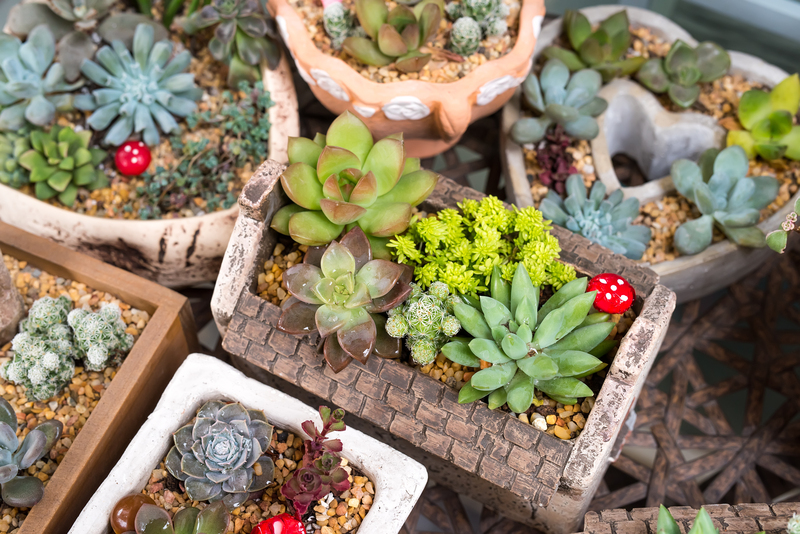
Turn an old tree stump into a charming planter! With a chisel and hammer, hollow out the top section. Fill the cavity with soil and plant colorful flowers, succulents, or herbs. This not only masks the stump but also brings new life to your landscape.
2. Whimsical Garden Furniture
- Stool or table: Sand and finish the flat surface for a rustic seat or a quaint garden table.
- Fairy Home: Paint doors and windows on the stump for a magical touch, delighting children and visitors alike.
3. Stump Carving Art
Talented artists can transform annoying tree stumps into impressive wood carvings. From woodland creatures to totem poles, stump carving adds an unmistakable character to your yard.
4. Natural Bird Baths and Feeders
Hollow the center of the stump just enough to hold water, creating a bird bath. Alternatively, attach a feeder to the top, encouraging local wildlife and enjoying birdwatching from your window.
5. Playground Features
Short tree stumps make perfect stepping stones or platforms for children. Arrange several stumps at different heights for a playful and safe natural obstacle course in your backyard.
6. Outdoor Candle or Lantern Holders
Drill shallow holes in patterns on the top of the stump to secure tea lights or lanterns. As dusk falls, these illuminated stumps cast a magical glow across your garden.
7. Moss and Mushroom Gardens
Encourage moss or edible mushrooms to colonize a stump for a fairy-tale effect. This idea not only masks the stump's presence but contributes to the biodiversity of your garden.
Essential Tips for Handling Stumps Safely and Effectively
- Always wear gloves and eye protection when removing, carving, or drilling into stumps.
- Check for underground utilities before digging or grinding.
- Dispose of stump wood responsibly--many cities offer yard waste services.
- Seek professional help for large or hazardous stumps, especially near buildings or wires.
Frequently Asked Questions About Tree Stump Management
How long does it take for a stump to rot naturally?
Depending on the size and species, natural decomposition can take 2-10 years without assistance. This can be sped up with chemicals, fungi, or by keeping the stump moist and covered.
Is stump grinding better than removal?
Stump grinding is generally faster and less destructive to your landscape than full removal, but it leaves the roots to decompose over time. Complete removal ensures no regrowth but is more laborious and invasive.
Are chemical stump removers safe for my garden?
Most commercial stump removers are safe if used as directed and kept away from children or pets. However, always check that the chemicals are suitable--avoid using near edible garden beds. For a completely eco-friendly solution, choose manual removal or natural decomposition.
Can tree stumps be reused in landscaping?
Absolutely! Tree stumps can become stunning planters, seats, art, or wildlife havens. Repurposing is cost-effective, reduces waste, and adds individuality to your landscape.
Final Thoughts: Embrace the Potential of Tree Stumps
Annoying tree stumps don't have to be a permanent eyesore or a source of frustration. Whether you choose professional removal or go the creative route by transforming and repurposing stumps, the options are virtually endless. Embrace these transformative methods to reclaim your yard's beauty, improve safety, and even infuse your garden with artistic or ecological value.
For ultimate results, assess your stump's condition and your needs. If in doubt, consult a local arborist or landscaping professional. With the right approach, those annoying tree stumps may just become your yard's most beloved natural features.
Related Resources & Further Reading
- Gardening Know-How: Tree Stump Removal Tips
- The Spruce: Tree Stump Removal Methods
- Penn State Extension: Removing Tree Stumps
Want to learn more? Contact your local garden center or tree professional for personalized advice and make those troublesome stumps a thing of the past!